

- Introduction
The transformation of Nepal from a centralized unitary state to a federal republic is one of the most important political transitions in its modern history. After years of exclusion, conflict, and demands for representation, federalism was institutionally consolidated through the 2015 Constitution in a bid to reconstruct the state in line with the principles of inclusion, equity, and shared governance. In a socially diverse country like Nepal, federalism was envisioned as a mechanism to address the historical marginalization of regions, ethnic groups, and local communities by redistributing political power and development opportunities.
The reasons for adopting federalism are closely related to its promises of equitable resource allocation, increased local participation in decision-making, and balanced economic growth across provinces. In this connection, the state devolves authority to provincial and local governments in order to make governance more responsive and development more inclusive. Several years into its implementation, however, many questions regarding its effectiveness have emerged.
This study probes whether federalism has meaningfully advanced inclusive development and how political, fiscal, and administrative powers have been effectively devolved. Drawing methodologically on constitutional analysis, governance and federalism studies, and development literature, this paper critically assesses the relationship between federal restructuring, equity, and growth in Nepal.
- Conceptual Framework: Federalism, Equity, and Inclusive Development
Inclusive development refers to a development process that, beyond boosting economic growth, ensures equal opportunities for marginalized communities. In a post-conflict state like Nepal, inclusive development is closely linked with reconciliation, social justice, and equitable state restructuring.
Federalism and decentralization are related through devolution—the transfer of political, fiscal, and administrative powers to subnational units—thus ensuring responsive governance. This translates into addressing historical imbalances created by excessive centralization. Equity and social justice represent ethical ideals embedded within the principles of federalism, promoting equitable representation, proportional inclusion, and targeted policies aimed at marginalized social groups. Alongside economic growth, human development initiatives rely on interdependence, wherein economic growth improves livelihoods, while empowered human capabilities shape long-term development outcomes.
From a theoretical perspective, federalism can be classified based on identity, such as identity-based federalism, which accommodates ethnicities, languages, and cultures, and functional federalism, which focuses on administrative efficiency and public service delivery. Nepal’s federal system reflects a combination of both models.
This framework is derived from observations on nation-building and federalism in Nepal, wherein the relationship between inclusion, state capacity, and cohesion remains contested in Nepal’s federal experiment.
- Constitutional Context of Federalism in Nepal
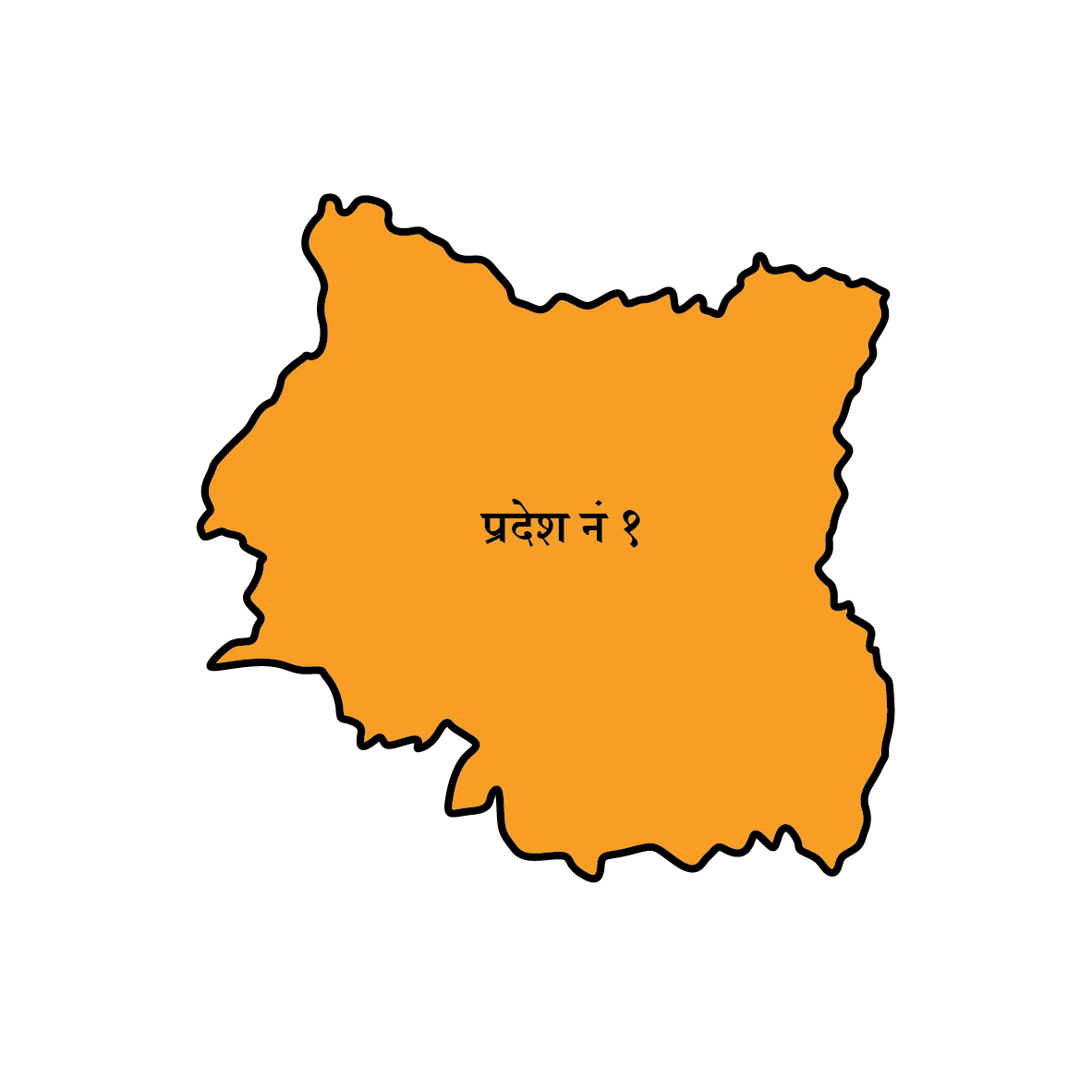
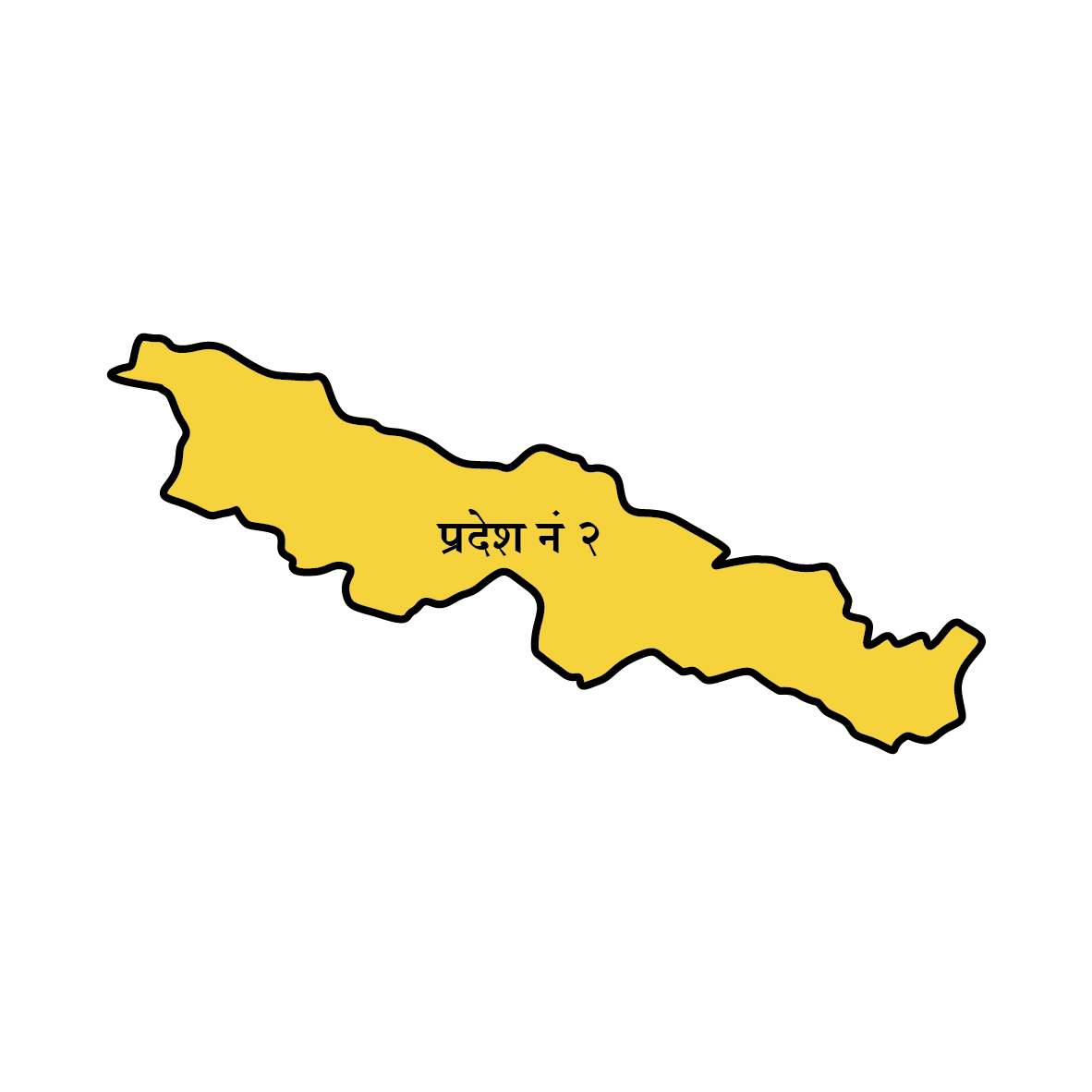
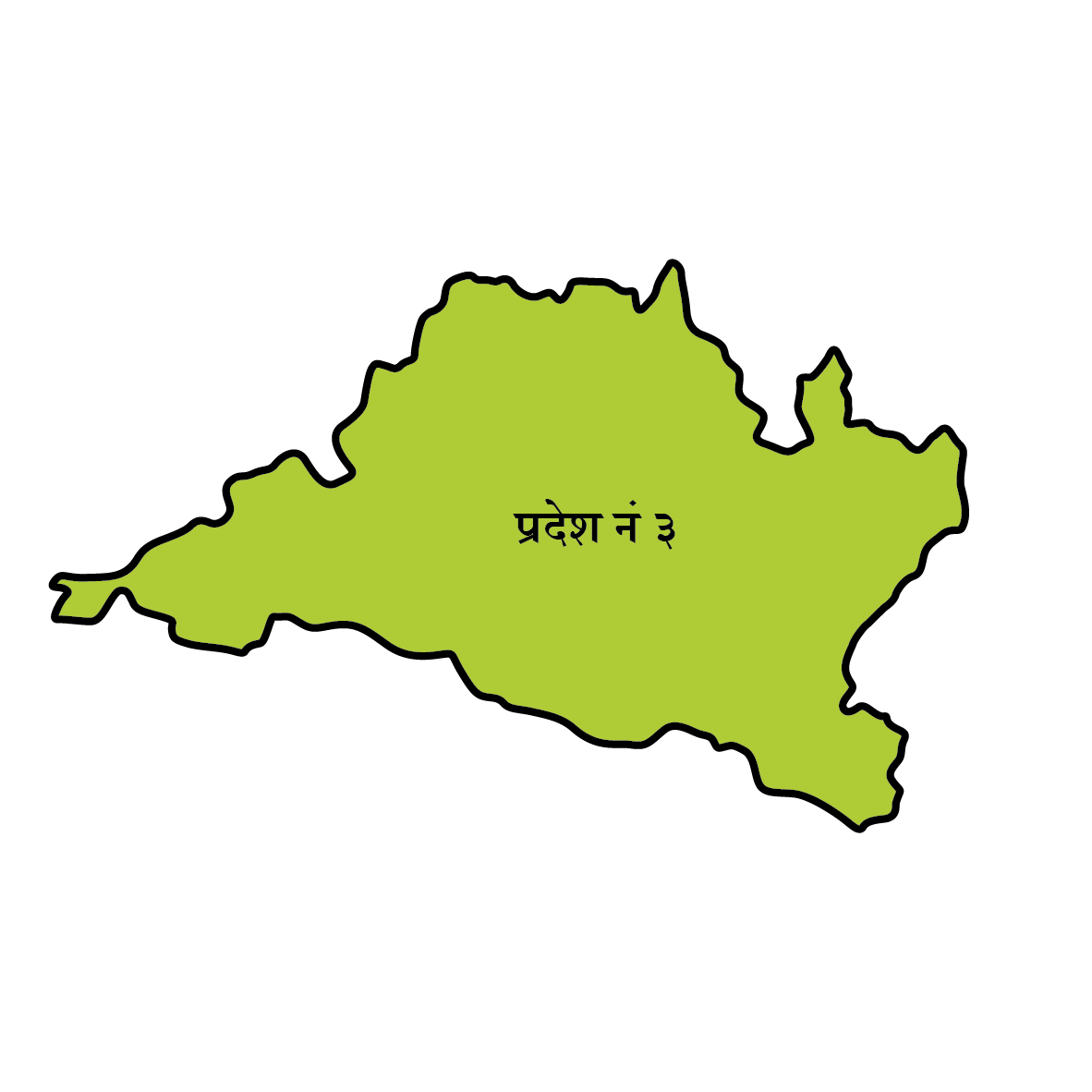
Nepal’s federal constitutional design is anchored in the Constitution of Nepal, 2015, which transformed the country from a unitary system into a federal democratic republic. The Constitution provides for a three-tier federal structure—federal, provincial, and local governments—with constitutionally guaranteed powers and responsibilities. This design seeks to redress historical exclusion by delegating authority downward and bringing governance closer to the people.
Inclusive representation of women, Dalits, Indigenous nationalities, Madhesis, Tharus, Muslims, and other marginalized groups in state bodies has been made obligatory through proportional electoral systems and affirmative measures. Fundamental rights explicitly guarantee social justice, equality, language, culture, and identity, reinforcing the Constitution’s commitment to inclusive democracy.
Shared powers are delineated through exclusive and concurrent lists, ensuring cooperative federalism while respecting Nepal’s diversity. Lessons from Federalism, Devolution of Power, and Inclusive Democracy: Nepal’s Constitutional Context show that while the constitutional framework is progressive, effective implementation, intergovernmental coordination, and fiscal devolution remain challenging. Overall, constitutional federalism in Nepal provides a strong normative foundation for inclusive governance and equitable development.
- Devolution of Power and Governance Practice
Devolution of power in Nepal’s federal system encompasses fiscal, administrative, and political dimensions designed to deepen democracy and improve service delivery. Fiscal devolution constitutionally assigns revenue sources and expenditure responsibilities to provincial and local governments; however, effective autonomy remains constrained by limited tax bases and dependency on federal transfers. Administrative devolution has progressed through functional transfers but continues to face shortages of skilled personnel, weak institutional capacity, and uneven bureaucratic adaptation. Politically, elected provincial and local bodies have strengthened representation and accountability, though their decision-making space often remains constrained by federal oversight.
Coordination across federal, provincial, and local levels remains a persistent challenge. Overlapping mandates, ambiguous legislation, and weak intergovernmental mechanisms result in policy incoherence and implementation delays. These challenges indicate a gap between constitutional intent and governance practice, where federalism exists more robustly in law than in operation.
Drawing on Constitutional Design and Implementation Dynamics: Federalism and Inclusive Nation Building in Nepal, this analysis demonstrates that effective devolution requires capacity building, cooperative federalism, and sustained political commitment beyond constitutional clarity alone.
- Federalism and Inclusive Democracy
Federalism and inclusive democracy in Nepal emphasize participatory governance by bringing decision-making closer to people at provincial and local levels. The federalization process has increased public engagement in budgeting, planning, and service delivery, particularly at the local level. Ward meetings, public hearings, and social audits illustrate a deliberative approach to governance that values dialogue, consensus, and knowledge-based decision-making.
Federalism has also contributed to increased political representation of women, Dalits, Indigenous peoples (Adivasi Janajati), Madhesis, and other minorities through proportional representation and reservation provisions. Local governments have emerged as important platforms for democratic practice, enabling marginalized groups to influence local agendas.
Empirical observations from studies on federalism and deliberative democracy in Nepal indicate expanded participation, though uneven in quality due to capacity constraints, elite dominance, and varying levels of civic engagement. Nonetheless, federalism has laid the groundwork for greater inclusiveness in Nepal’s democratic process, particularly in representation and grassroots participation.
- Social Inclusion, Human Development, and Equity
Social inclusion remains a central challenge in Nepal’s development trajectory, as historical patterns of caste, ethnicity, gender, geography, and class have produced deep-rooted structural exclusion. These patterns have constrained access to education, healthcare, livelihoods, and political participation, reinforcing intergenerational poverty and inequality. Federalism offers an institutional response by redistributing power and resources across federal, provincial, and local levels, allowing development policies to better reflect regional needs and social diversity.
Through decentralization, federalism creates opportunities to address regional disparities by targeting marginalized communities with context-specific interventions. Equity in education, health, livelihoods, and public services becomes more attainable when local governments are empowered to design inclusive programs, improve service delivery, and ensure proportional representation. Such equity-focused governance contributes directly to poverty reduction and improved human development outcomes, particularly for women, Dalits, Indigenous peoples, Madhesis, and remote populations.
From a development perspective, Social Inclusion, Human Development, and Nation Building in Nepal emphasizes that inclusive nation-building requires integrating social justice into development planning. Sustainable human development depends not only on economic growth but also on dismantling structural barriers and institutionalizing equity through inclusive federal governance.
- Federalism and Economic Growth
Federalism in Nepal is closely linked to the pursuit of balanced and inclusive economic growth. Fiscal federalism empowers provinces and municipalities with revenue-raising authority and intergovernmental transfers, enabling them to prioritize local economic development. Through conditional and equalization grants, subnational governments can invest in region-specific infrastructure, small enterprises, and employment generation. Infrastructure development in local roads, irrigation, and energy has improved service delivery under federal governance, particularly in agriculture and basic public services. Agricultural policies can be tailored to local ecological and market conditions, enhancing productivity and rural livelihoods.
However, regional disparities remain a major challenge. Unequal administrative capacity, limited technical expertise, and uneven access to resources result in differing development outcomes across provinces and municipalities. Urban and accessible areas continue to advance faster than remote and peripheral regions. Despite these constraints, provincial and local governments play a crucial role in achieving inclusive growth through local resource mobilization, community participation, and public–private partnerships. With appropriate coordination, federal institutions can reduce spatial inequalities and support sustainable, locally grounded economic growth.
- Key Challenges and Critiques
Despite its inclusive intent, Nepal’s federalism faces several critical challenges. Institutional capacity remains weak in many provincial and local governments due to shortages of trained personnel, administrative systems, and technical expertise, undermining effective service delivery. Political centralization further complicates governance; despite constitutional provisions for devolution, power often remains concentrated at the federal level, limiting local autonomy. Fiscal imbalance persists as local governments rely heavily on conditional grants, restricting independent planning and implementation.
Additionally, identity-based politics emphasizing ethnic and regional claims sometimes competes with broader economic priorities, leading to policy fragmentation. Corruption risks and weak accountability mechanisms further erode public trust. Addressing these interlinked challenges is essential for ensuring that federalism fulfills its promise of inclusive, transparent, and sustainable development.
- Rethinking Inclusive Development in Nepal
Rethinking inclusive development requires aligning federalism with equity-oriented development and participatory governance. Policy reforms should ensure effective power devolution to provincial and local governments, supported by legal authority, adequate budgets, and administrative capacity. Strengthening local governance through capacity building and technical human resource development is essential for improved planning, implementation, and accountability.
Equity-focused development planning should prioritize disadvantaged groups—women, Dalits, Indigenous nationalities, and minorities—to bridge regional and social development gaps. Incorporating deliberative democracy into development policymaking can enhance participation and ensure balanced attention to economic and social priorities. Such an approach can guide Nepal toward becoming an inclusive and prosperous nation through effective federal governance.
- Conclusion
In conclusion, the adoption of federalism in Nepal has created meaningful space for advancing equity, inclusive growth, and participatory governance. Evidence suggests that federalism has improved representation of marginalized groups and enabled more localized, context-specific development initiatives. However, capacity constraints, fiscal imbalances, political centralization, and tensions between identity-driven and economic priorities have hindered the realization of inclusive growth.
While some provinces and local governments have demonstrated success through pro-equity development initiatives, development outcomes remain uneven across the country. Therefore, the promise of federalism in enhancing inclusivity requires deeper institutional strengthening, fiscal balance, and coordinated governance. Future research and policy efforts should focus on refining federal governance mechanisms to ensure that economic growth in Nepal becomes more equitable and inclusive.
Works Cited
Adhikari, Hari Prasad. “Enhancing Local Governance in Nepal through Federalism: A Study of Key Elements.” Journal of Nepalese Management Academia, vol. 1, no. 1, 2023, pp. 9–16.
Ayadi, Arjun Bahadur. “Implementation of Federalism in Nepal: Insights from Karnali Province.” Journal of Political Science, vol. 25, no. 1, 2025, pp. 1–25.
Kharel, Raj, and Andrés Rodríguez-Pose. “Devolution and Economic Resilience in Nepal.” World Development, vol. 195, 2025, Article 107154, Elsevier.
World Bank. Federalism and Public Expenditure for Human Development in Nepal: An Emerging Agenda.
Federalism, Devolution of Power, and Inclusive Democracy: Nepal’s Constitutional Context. Edited by Bipin Adhikari, vol. 1, Kathmandu University School of Law, 2024.